
Why BDNF Is the Brain’s Secret Superpower: Boosting Brain Health and Function
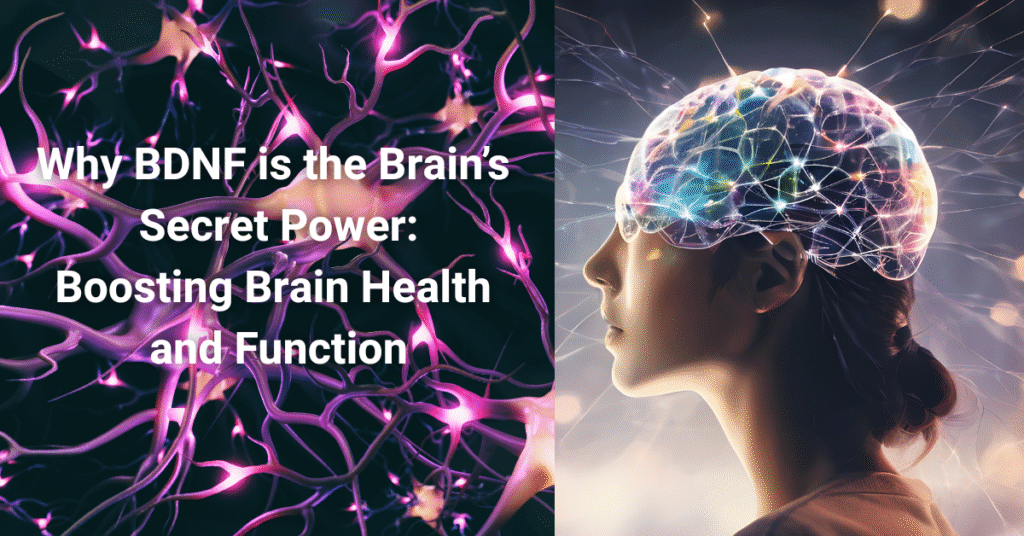
Your brain possesses an extraordinary protein that acts as its own personal growth serum, supporting everything from memory formation to mood regulation. Brain-Derived Neurotrophic Factor (BDNF) serves as the brain’s master regulator, controlling neuroplasticity and determining how well your neurons survive, grow, and connect with each other.
BDNF functions as your brain’s secret superpower because it directly controls your ability to learn new skills, form memories, and adapt to challenges throughout your lifetime. This remarkable protein operates behind the scenes, supporting neuronal survival and enhancing cognitive function in ways that can dramatically impact your mental performance and brain health.
Understanding how BDNF works gives you the knowledge to naturally optimize your brain’s potential through specific lifestyle choices and interventions. This neurotrophin influences neuroplasticity and can be enhanced through targeted strategies that you can implement starting today.
Key Takeaways
- BDNF acts as your brain’s growth factor, controlling how neurons develop and connect to support learning and memory
- You can naturally boost BDNF levels through exercise, proper nutrition, and specific lifestyle modifications
- Higher BDNF levels protect against cognitive decline and enhance your brain’s ability to adapt and recover from challenges
Unveiling BDNF: The Brain’s Hidden Power Player
What Is BDNF and How Does It Work
Brain-derived Neurotrophic Factor (BDNF), is a protein that belongs to the neurotrophin family. BDNF is produced from the BDNF gene mainly by neurons and glial cells. This protein promotes the survival of neurons, the growth of new neurons and synapses. BDNF is active at the connections between nerve cells (synapses) where cell to cell communication occurs and is essential for neuroplasticity which allows the brain to adapt and reorganize itself in response to experiences. Additionally, BDNF has also been found in peripheral tissues such as the heart, skeletal muscles, and even in the gastrointestinal tract.This widespread presence suggest that BDNF may have roles beyond neuroprotection and neuroplasticity, potentially influencing various physiological processes throughout the body.
BDNF as a Neurotrophin and Its Role in the Brain
BDNF belongs to the neurotrophic family, which are proteins that support the growth, survival, and differentiation of neurons. Neurotrophic factors (NFTs) and their receptors are a part of the complex neurotrophic system, which forms the basis for neuronal development. They are natural proteins released by neurons, supporting cells responsible for maintaining, regenerating and growing neurons. BDNF is highly expressed in limbic structures (hypothalamus, amygdala,thalamus, hippocampus) and cerebral cortex, making it crucial for learning and memory processes. These brain regions control your cognitive functions and emotional responses.
BDNF performs several critical functions in your brain:
Neuron survival: Prevents brain cell death during development and aging
Synaptic plasticity: Strengthens connections between neurons
Dendritic growth: Promotes branching of neuron extensions
Memory consolidation: Helps convert short-term memories into long-term storage
Your hippocampus contains particularly high BDNF levels. This brain region processes new memories and spatial navigation. BDNF contributes to long term potentiation (LTP) in the hippocampus; a long lasting enhancement in signal transmission between two neurons that results from their repeated stimulation.
The protein also regulates dopamine function in your brain by binding to the TrkB receptor, which initiates a cascade of intracellular signaling pathways that influences dopamine receptor expression and supports the health of dopamine-producing neurons in the substantia nigra.
Your neurons depend on BDNF for multiple critical functions. It supports the development and maintenance of dopaminergic, GABAergic, cholinergic, and serotonergic systems by regulating the survival, function and plasticity of neurons in these pathways. This is both complex and highly interconnected.
BDNF regulates both sides of synaptic communication. At presynaptic terminals, it controls neurotransmitter release. At postsynaptic sites, it influences receptor sensitivity and ion channel activity.
BDNF plays a crucial role in your brain’s inhibitory and excitatory balance. While BDNF is produced exclusively in excitatory neurons, it affects both excitatory and inhibitory neural networks throughout your brain.
BDNF: The Brain’s Secret Weapon
BDNF Levels Across the Lifespan
Your BDNF levels change dramatically throughout your lifetime, following predictable patterns that influence cognitive development and aging. Peak production typically occurs during childhood and adolescence when your brain undergoes rapid development.
Early Development: High BDNF expression guides neuron migration and synapse formation. Your developing brain requires substantial neurotrophin support for proper wiring.
Early Life (0-18 years):
Highest BDNF production supports brain development
Critical for establishing neural pathways
Essential for learning and memory formation
Adulthood: BDNF levels stabilize but remain essential for maintaining existing neurons. The protein continues supporting memory formation and cognitive flexibility.
Adulthood (18-65 years):
Gradual decline in baseline BDNF levels
Levels remain responsive to lifestyle factors
Exercise and learning can boost production
Aging Process: Natural aging typically reduces BDNF production in your brain. This decline may contribute to age-related cognitive changes and increased vulnerability to neurodegenerative diseases.
Older Age (65+ years):
Significant reduction in natural BDNF production
Lower levels associated with cognitive decline
Increased vulnerability to neurodegenerative conditions
As we age, both the hippocampus and BDNF levels tend to decrease and these are believed to be linked. Lower BDNF levels are associated with smaller hippocampal volumes and poorer memory performance and some research suggests that the decline in BDNF can mediate the age-related shrinkage of the hippocampus, negatively impacting neuroplasticity and cognitive functions.
Variations in the BDNF, known as polymorphisms, can influence how individuals respond to environmental factors and stressors throughout their lives. Val66Met in particular, can affect protein function throughout life and may impact cognitive performance.
Several factors influence your BDNF levels throughout life:
|
Factor |
Effect on BDNF |
|
Physical exercise |
Increases production |
|
Chronic stress |
Decreases levels |
|
Sleep quality |
Affects regulation |
|
Diet quality |
Influences expression |
Gender influences your BDNF levels throughout life. Women typically maintain 25% higher serum BDNF concentrations compared to men, reflecting hormonal influences on neurotrophin production.
Your lifestyle choices significantly impact BDNF levels regardless of age. Physical exercise, quality sleep, and cognitive challenges can increase production even in older adults, demonstrating your brain’s continued capacity for adaptation.
Core Benefits: Why BDNF Is the Brain’s Secret Superpower
BDNF acts as your brain’s master regulator, driving neuroplasticity that reshapes neural connections throughout your life. This protein directly enhances memory formation, learning capacity, and mood regulation while providing crucial protection against age-related cognitive decline.
BDNF and Brain Plasticity
Your brain’s ability to rewire itself depends heavily on BDNF levels. This protein functions as the primary driver of neuroplasticity, enabling your neurons to form new connections and strengthen existing pathways.
BDNF promotes the growth of dendrites and axons, the branch-like extensions that allow neurons to communicate. Higher BDNF levels mean your brain can adapt more efficiently to new experiences and information.
Key neuroplasticity benefits include:
Enhanced synaptic strength between neurons
Increased formation of new neural pathways
Improved brain adaptability to injury or stress
Greater capacity for learning
Research shows that brain plasticity supported by BDNF continues throughout adulthood, contradicting earlier beliefs about fixed brain structure. Your neural networks remain malleable when BDNF levels stay optimal.
Physical exercise and mental challenges trigger BDNF production, creating a positive feedback loop. The more you engage your brain, the more BDNF you produce, leading to enhanced plasticity.
Enhancing Memory and Learning
BDNF directly influences your ability to form, store, and retrieve memories. This protein strengthens the connections between neurons in your hippocampus, the brain’s primary memory center.
Your learning capacity increases when BDNF levels rise. The protein facilitates long-term potentiation, the process that makes synaptic connections stronger and more permanent.
Memory enhancement occurs through:
|
BDNF Function |
Memory Impact |
|
Synaptic strengthening |
Improved memory consolidation |
|
New neuron growth |
Enhanced learning capacity |
|
Protein synthesis |
Long-term memory formation |
|
Neural connectivity |
Better memory recall |
Studies demonstrate that people with higher BDNF levels show superior performance on memory tasks. Your brain’s ability to encode new information relies on adequate BDNF production.
The protein also supports working memory, allowing you to hold and manipulate information temporarily. This cognitive function proves essential for complex reasoning and problem-solving tasks.
Mood, Motivation, and Mental Well-Being
Your emotional regulation depends significantly on BDNF activity in mood-related brain regions. Low BDNF levels correlate strongly with depression, anxiety, and other mental health challenges.
BDNF influences neurotransmitter systems, particularly serotonin and dopamine pathways. These chemical messengers control your mood, motivation, and overall sense of well-being.
Mental health benefits include:
Reduced symptoms of depression
Lower anxiety levels
Improved stress resilience
Enhanced emotional stability
Better motivation and drive
Research on BDNF and mood regulation shows that antidepressant medications often work by increasing BDNF production. The protein helps repair damaged neural circuits associated with mood disorders.
Your stress response improves when BDNF levels remain adequate. The protein protects neurons from cortisol damage and promotes recovery from psychological trauma.
Regular activities that boost BDNF, such as exercise and social interaction, provide natural mood enhancement. This creates a sustainable approach to maintaining mental well-being.
Protecting Against Cognitive Decline
BDNF serves as your brain’s primary defense against age-related cognitive decline. This protein maintains neuronal health and prevents the deterioration associated with aging and neurodegenerative diseases.
Your cognitive reserve increases with higher BDNF levels. This reserve helps your brain compensate for age-related changes and maintain function despite cellular damage.
Protective mechanisms include:
Prevention of neuronal death
Reduction of harmful protein accumulation
Enhanced cellular repair processes
Improved mitochondrial function
Increased antioxidant activity
Studies show that individuals with consistently high BDNF levels experience slower rates of cognitive decline. The protein’s neuroprotective effects extend to conditions like Alzheimer’s disease and Parkinson’s disease.
Your brain’s ability to clear toxic proteins improves with adequate BDNF. The protein supports cellular cleanup mechanisms that remove damaged components and maintain neuronal health.
BDNF also promotes the formation of new blood vessels in your brain, ensuring adequate oxygen and nutrient delivery to aging neurons.
How BDNF Fuels Cognitive Function
BDNF acts as your brain’s primary growth factor, directly enhancing memory formation, learning capacity, and neural plasticity. This protein becomes particularly active during mental challenges and plays a crucial role in preventing cognitive decline.
Supporting Brain Function and Health
BDNF serves as a key regulator of cognitive performance and brain health through multiple mechanisms. When you engage in learning activities, BDNF promotes the growth of new neurons and strengthens existing neural connections.
Your brain relies on BDNF to maintain synaptic plasticity, the foundation of memory storage. This protein activates the BDNF/TrkB signalling pathway, which triggers cascades that support neuronal survival and growth.
BDNF concentrations are highest in your hippocampus and cerebral cortex, regions critical for memory and learning. BDNF also reduces inflammation in brain tissue and protects against oxidative stress.
BDNF promotes neurogenesis and synapse formation, creating new neural pathways that improve your cognitive flexibility and processing speed.
BDNF and Mental Stimulation
Mental stimulation directly increases your BDNF production through activity-dependent mechanisms. When you challenge your brain with complex tasks, neurons release more BDNF to support enhanced performance.
Learning new skills triggers BDNF release in specific brain regions. Activities like reading, puzzle-solving, or acquiring new languages activate voltage-gated calcium channels, leading to increased BDNF secretion.
Your BDNF levels respond to the intensity of mental challenges. More demanding cognitive tasks produce higher BDNF concentrations, creating a positive feedback loop for brain enhancement.
BDNF is involved in synapse development and plasticity, making it essential for adapting to new information and experiences.
Link to Brain Disorders
Reduced BDNF levels correlate strongly with cognitive decline and neurodegenerative conditions. BDNF downregulation is associated with neuronal damage in diseases like Alzheimer’s and dementia.
Your BDNF concentrations can serve as an early warning system for brain health issues. Post-mortem studies show that patients with neurodegenerative diseases had significantly lower BDNF levels in affected brain regions.
Depression and anxiety also involve disrupted BDNF signalling. These conditions often feature reduced neuroplasticity and impaired memory formation, both linked to insufficient BDNF activity.
Research indicates that BDNF acts as a biomarker in neurodegenerative diseases, offering potential for early detection and intervention strategies.
Therapeutic approaches targeting BDNF show promise for treating cognitive disorders. Interventions that boost BDNF production may help restore normal brain function and protect against further decline.
Your brain’s ability to maintain adequate BDNF levels becomes increasingly important with age, as natural production tends to decrease over time.
Natural Ways to Boost BDNF
Research shows you can significantly increase your BDNF levels through targeted lifestyle changes. Exercise remains one of the most effective ways to boost circulation BDNF. While specific foods and stress-reduction techniques can provide cognitive boosts.
How Does Exercise Affect the Production of BDNF?
Exercise triggers immediate increase in BDNF production, with levels rising within hours of physical activity. Both endurance and resistance training can boost BDNF levels, though aerobic exercise typically produces larger increases. Combining different exercise types may optimize BDNF production and brain health benefits.
Muscle contraction during exercise causes an increase in lactate, which acts as a signaling molecule to stimulate the production of BDNF in skeletal muscle.
Studies show high-intensity training (HIT) produces the strongest BDNF response compared to moderate-intensity exercise.
The key is consistency and intensity. Your brain responds best to exercise that challenges your cardiovascular system and creates metabolic stress. Exercise also boosts mood, reduces symptoms of anxiety and depression and significantly increases BDNF during moderate to high-intensity training.
Diet and Brain-Boosting Foods
Omega-3 fatty acids from fish oil provide powerful BDNF support. Taking 2 grams per day of EPA and DHA boosts BDNF and reduces inflammation.
Berries contain flavonoids that directly increase BDNF production. Blueberries, blackberries, and strawberries offer the highest concentrations of these brain-protective compounds.
Cocoa flavonal has been linked to improved memory and higher serum BDNF levels. Dark chocolate with at least 70% cacao content provides similar benefits.
Leafy greens like spinach and kale support neurogenesis. A low-carb, reduced-calorie diet can raise BDNF by 20%.
Read more about a healthy MIND diet here
Meditation and Sleep for BDNF Elevation
Regular meditation reduces anxiety and depression while increasing BDNF production. Mindfulness practices promote cognitive flexibility and elevate BDNF naturally.
You need just 10-20 minutes of daily meditation to see measurable improvements. Focused breathing exercises and mindfulness techniques work equally well.
Quality sleep is essential for BDNF synthesis. Your brain produces most of its neurotrophic factors during deep sleep phases. Aim for 7-9 hours of uninterrupted sleep nightly.
Studies have found sleep deprivation dramatically reduces BDNF levels within 24 hours. 28 Consistent sleep schedules help maintain optimal production cycles throughout your circadian rhythm.
The Gut-Brain Axis: How Gut Health Influences BDNF
Your gut microbiome directly regulates BDNF production through metabolite signaling pathways. Chronic inflammation from poor gut health significantly reduces BDNF levels and impairs neuroplasticity.
Microbiome and BDNF Production
Your gut bacteria produce specific metabolites that directly influence BDNF expression in your brain. Short-chain fatty acids like butyrate, propionate, and acetate cross the blood-brain barrier and activate BDNF gene transcription.
Gut microbiota metabolites affect nervous system functions by promoting neurotransmitter production. Beneficial bacteria such as Lactobacillus and Bifidobacterium species increase BDNF levels through serotonin and GABA synthesis.
Key BDNF-boosting gut bacteria:
Lactobacillus helveticus
Bifidobacterium longum
Akkermansia muciniphila
Faecalibacterium prausnitzii
Dysbiosis reduces these beneficial strains and decreases BDNF production. Your microbiome diversity directly correlates with BDNF expression levels in the hippocampus and prefrontal cortex.
The vagus nerve serves as the primary communication pathway. It transmits microbial signals that modulate BDNF synthesis in brain regions critical for memory and learning.
Inflammation and Its Effects on the Brain
Chronic gut inflammation triggers systemic inflammatory responses that suppress BDNF production. Pro-inflammatory cytokines like TNF-α, IL-1β, and IL-6 directly inhibit BDNF gene expression and protein synthesis.
Gut health significantly impacts mental and cognitive health through inflammatory pathways. Intestinal permeability allows bacterial toxins to enter your bloodstream and cross the blood-brain barrier.
Inflammatory markers that reduce BDNF:
|
Cytokine |
BDNF Impact |
Brain Region Affected |
|
TNF-α |
-60% reduction |
Hippocampus |
|
IL-1β |
-45% reduction |
Prefrontal cortex |
|
IL-6 |
-40% reduction |
Amygdala |
Lipopolysaccharides from gram-negative bacteria activate microglia and create neuroinflammation. This inflammatory cascade disrupts BDNF signaling pathways and impairs synaptic plasticity.
Your gut barrier integrity determines inflammatory burden on your brain. Maintaining healthy gut lining prevents endotoxin translocation and preserves optimal BDNF function.
Future Directions: Harnessing BDNF for Optimal Brain Performance
Scientific advances are revealing new therapeutic targets for BDNF enhancement, while practical strategies emerge for maintaining cognitive vitality throughout your lifespan.
Emerging Research on BDNF
Researchers are developing BDNF-modulating therapies to treat neurodegenerative diseases and enhance cognitive performance. Current investigations focus on direct BDNF delivery methods and compounds that stimulate natural BDNF production.
Gene therapy approaches show promise for delivering BDNF directly to specific brain regions. These techniques could potentially restore BDNF levels in areas affected by neurodegeneration.
Pharmaceutical companies are testing small molecules that can cross the blood-brain barrier and activate BDNF pathways. These drugs target the TrkB receptor system to promote neuroplasticity without requiring direct BDNF administration.
Precision medicine applications are emerging to personalize BDNF-based treatments. Genetic testing for BDNF variants helps predict individual responses to different therapeutic interventions.
Scientists are investigating how intermittent fasting protocols specifically target BDNF for cognitive performance enhancement. These dietary approaches may offer accessible ways to boost BDNF production naturally.
Strategies for Lifelong Cognitive Vitality
You can implement evidence-based approaches to maintain optimal BDNF levels throughout your life. These strategies focus on supporting brain cells and preserving cognition as you age.
Daily exercise routines remain the most potent BDNF booster available. Aerobic activities increase BDNF production within hours of completion, supporting ongoing neuroplasticity.
Your sleep quality directly impacts BDNF synthesis. Maintaining 7-9 hours of consistent sleep allows your brain to produce adequate BDNF for memory consolidation and neural repair.
Nutritional interventions can support BDNF production:
Omega-3 fatty acids from fish
Polyphenols from berries and dark chocolate
Curcumin from turmeric
Green tea compounds
Social engagement and learning new skills stimulate BDNF release through cognitive challenge. Regular mental stimulation helps maintain the brain’s capacity for adaptation and growth.
Stress management techniques like meditation and mindfulness protect existing BDNF while promoting new synthesis. Chronic stress suppresses BDNF production and impairs neuroplasticity.
In Summary
In summary, the Brain-derived Neurotrophic Factor is essential for promoting neuronal health, facilitating learning, and enhancing memory. Its role in neuroplasticity underscores the importance of maintaining optimal BDNF levels for cognitive function and mental resilience. Natural methods to boost BDNF, such as regular exercise, a nutritious diet rich in omega-3 fatty acids, and mindfulness practices, can significantly contribute to improved brain health. The benefits of increased BDNF extend beyond cognition, influencing mood and mental well-being. By adopting these lifestyle changes, you can cultivate a more robust and adaptable brain, ultimately leading to a better quality of life.
Frequently Asked Questions
What are the primary functions of BDNF in the brain?
BDNF serves as a key protein that supports neuroplasticity, memory, and the growth of new brain cells. It promotes neuron survival and helps existing brain cells form new connections.
The protein plays a critical role in synaptic plasticity, which allows your brain to strengthen or weaken connections between neurons. This process is essential for learning new information and forming lasting memories.
BDNF also regulates neuronal growth and survival, synaptic plasticity, and numerous neurological functions. It acts like fertilizer for your brain tissue, supporting the development of new neural pathways.
Your brain uses BDNF for emotional regulation and mood stability. The protein helps maintain healthy brain function throughout your lifespan by protecting existing neurons from damage.
How can one safely elevate levels of BDNF through diet or lifestyle changes?
Regular physical exercise provides one of the most effective ways to naturally boost your BDNF levels. Aerobic activities like running, swimming, and cycling trigger significant increases in BDNF production.
Quality sleep supports healthy BDNF levels in your brain. Aim for 7-9 hours of consistent sleep each night to maintain optimal protein production.
Foods rich in omega-3 fatty acids, like fish and walnuts, can help boost BDNF levels. Dark berries, green tea, and dark chocolate also contain compounds that support BDNF production.
Stress management techniques like meditation and deep breathing exercises help maintain healthy BDNF levels. Chronic stress can reduce BDNF production, so managing stress becomes crucial for brain health.
Learning new skills and engaging in mentally stimulating activities naturally elevate BDNF. Activities like learning languages, playing musical instruments, or solving puzzles challenge your brain and promote protein synthesis.
What role does BDNF play in the management and treatment of depression?
People with depression often show lower levels of BDNF in their brains compared to individuals without depression. This reduction affects neuron health and synaptic connections in mood-regulating brain regions.
BDNF influences the brain’s ability to form new neural connections, which is crucial for recovery from depression. Antidepressant medications work partly by increasing BDNF levels and promoting neuroplasticity.
The protein helps restore damaged neural circuits associated with mood regulation. Higher BDNF levels support the growth of new neurons in brain areas linked to emotional processing.
Exercise therapy for depression works partly through BDNF elevation. Physical activity increases BDNF production, which can improve mood symptoms and support traditional depression treatments.
Therapeutic interventions that boost BDNF levels show promise for treating treatment-resistant depression. The protein’s role in neural repair makes it a target for developing new depression treatments.
In what ways does BDNF contribute to overall brain health and neuroplasticity?
BDNF enables your brain to adapt and form new neural connections throughout your lifetime. This neuroplasticity allows you to learn new information, recover from brain injuries, and maintain cognitive flexibility.
The protein protects existing neurons from damage caused by aging, stress, and environmental toxins. BDNF acts as a survival factor that helps brain cells resist degeneration and maintain function.
Your brain uses BDNF to support the formation of new neurons in specific brain regions. This neurogenesis process continues into adulthood and contributes to memory formation and emotional regulation.
BDNF strengthens synaptic connections between neurons, improving communication efficiency in your brain. Stronger synapses support better memory consolidation and cognitive performance.
The protein helps maintain the myelin sheath that surrounds nerve fibers. This protection ensures efficient signal transmission between different brain regions.

Dr. Brian Kaplan is an actively practicing physician with over 30 years of medical experience. A University of Pennsylvania graduate, Dr. Kaplan’s personal health journey led him to explore integrative medicine and develop science-backed, natural supplements. After researching over 100 ingredients, he created Dr. Kaplan’s BRAIN HEALTH supplement, whose ingredients have been clinically demonstrated to improve memory, focus, learning capacity and sleep quality. His commitment to evidence-based formulations ensures every product meets the highest standards for safety and effectiveness

Ara Kaplan is a culinary enthusiast and artist with a passion for brain-healthy cooking. With a BFA in Painting and Art History from SUNY Purchase, Ara brings creativity to the kitchen. She owned and operated her own restaurant for a decade before joining a highly successful restauranteur in Boca Raton, where she spent 20 years growing her expertise.
Cooking is Ara’s nightly passion, where she experiments with recipes that prioritize brain health. Her mission is to share knowledge and inspire others to embrace delicious, nourishing food that supports mental clarity and overall wellness. Join Ara as she explores the intersection of taste and health, one brain boosting recipe at time.